
Navigating busy city streets or winding country roads in Europe means unexpected hazards can emerge at any moment, making rear visibility just as important as watching the path ahead. Every ride brings unique risks, whether you are weaving through traffic or tackling changing weather. Discover how innovative rear-view eyewear gives you the upper hand in safety, helping you stay alert to your surroundings no matter where your route takes you.
Table of Contents
- Step 1: Assess Your Cycling Safety Needs
- Step 2: Compare Key Eyewear Technologies
- Step 3: Select Suitable TriEye Model
- Step 4: Fit and Adjust Your Eyewear
- Step 5: Verify Rear Visibility Performance
Quick Summary
| Key Point | Explanation |
|---|---|
| 1. Assess Your Cycling Environment | Identify traffic, terrain, and weather factors affecting safety to choose suitable eyewear and gear. |
| 2. Compare Eyewear Technologies | Evaluate advanced features like impact resistance and UV protection for enhanced safety and comfort. |
| 3. Choose Appropriate TriEye Model | Select from TriEye models based on your riding style, environment, and specific safety needs. |
| 4. Fit Eyewear Properly | Ensure glasses fit securely and comfortably to maximize protection and visibility during rides. |
| 5. Evaluate Rear Visibility Performance | Test the rear-view mirror to guarantee optimal awareness of surroundings while cycling. |
Step 1: Assess Your Cycling Safety Needs
Successfully protecting yourself during cycling starts with a comprehensive safety evaluation tailored to your specific riding environment and personal risk factors. Understanding the unique challenges you’ll face helps you select the right eyewear and protective gear for maximum safety.
Begin by analyzing your typical cycling scenarios through a systematic assessment. Bicycle safety experts recommend evaluating key variables that influence your protection requirements:
- Traffic Density: Urban environments with high vehicle traffic demand different safety strategies compared to rural or dedicated bike paths
- Terrain Type: Mountain trails, city streets, and countryside roads present distinct visibility and impact risks
- Riding Frequency: Daily commuters face different exposure levels than weekend recreational cyclists
- Weather Conditions: Sunlight intensity, rain, dust, and wind dramatically affect eyewear performance
Professional cyclists understand that safety isn’t one-size-fits-all. Your protective gear should adapt to your specific riding profile, providing targeted protection that matches your unique needs. This means considering factors beyond basic visibility - including optical clarity, impact resistance, and peripheral awareness.
Effective cycling safety begins with understanding your specific riding environment and potential risk factors.
Pro tip: Conduct a detailed personal risk assessment before investing in cycling eyewear, mapping out your most common riding scenarios to identify precise safety requirements.
Step 2: Compare Key Eyewear Technologies
Selecting the right cycling eyewear involves a detailed comparison of advanced technologies designed to enhance safety, comfort, and performance. Cutting-edge wearable technologies have transformed cycling eyewear from simple protective gear to sophisticated safety systems.
Key technological features to evaluate include:
- Lens Materials: Impact-resistant polycarbonate and advanced synthetic materials that provide superior protection
- Photochromic Capabilities: Lenses that automatically adjust tint based on light conditions
- UV Protection: Multi-layered coatings blocking harmful ultraviolet rays
- Polarization Technology: Reduces glare and improves visual clarity in bright environments
- Anti-Fog Coatings: Specialized treatments preventing lens condensation during intense rides
Professional cyclists understand that advanced eyewear technologies go beyond basic protection. Modern cycling glasses integrate multiple performance-enhancing features, creating a comprehensive safety solution that adapts to changing environmental conditions.
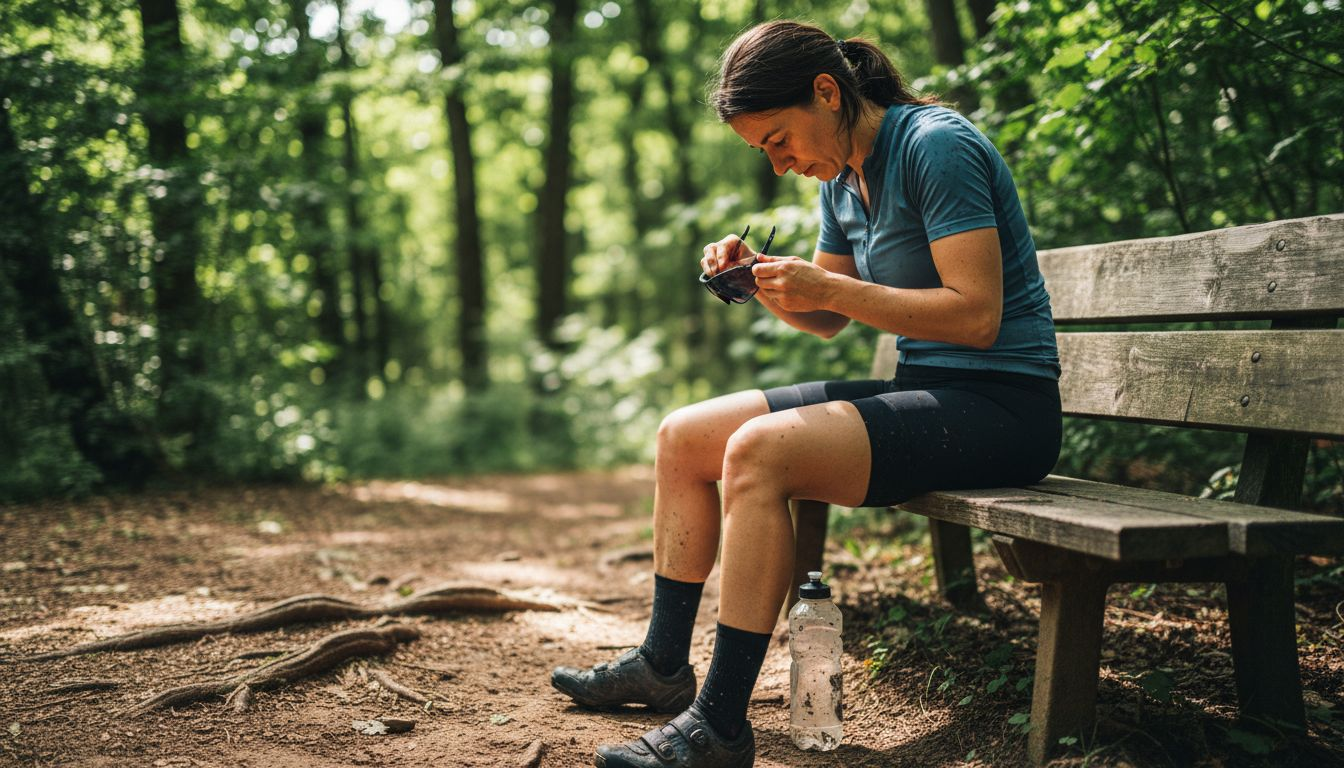
This summary explains how each key eyewear technology enhances both cycling safety and comfort:
| Technology | Safety Benefit | Comfort Advantage |
|---|---|---|
| Impact-resistant lenses | Protects from debris, collisions | Lightweight, reduces strain |
| Photochromic coating | Adapts to changing light | No need to swap lenses |
| Polarization | Less glare, clearer vision | Eases eye fatigue |
| Anti-fog treatment | Maintains clear vision | Prevents mid-ride adjustments |
| UV-bescherming | Shields against harmful rays | Reduces risk of eye irritation |
Advanced eyewear technologies transform cycling safety by providing adaptive, multi-functional protection.
Pro tip: Prioritize eyewear technologies that offer multiple protective features, ensuring comprehensive safety across different riding scenarios.
Step 3: Select Suitable TriEye Model
Choosing the ideal TriEye model requires a strategic approach that matches your specific cycling needs and safety requirements. Cycling equipment science emphasizes the importance of selecting eyewear that provides comprehensive protection tailored to your riding environment.
TriEye offers three primary model categories designed to address different cycling scenarios:
- TriEye View: Optimized for performance cyclists and road bike enthusiasts
- TriEye Classic: Ideal for urban commuters and everyday riding
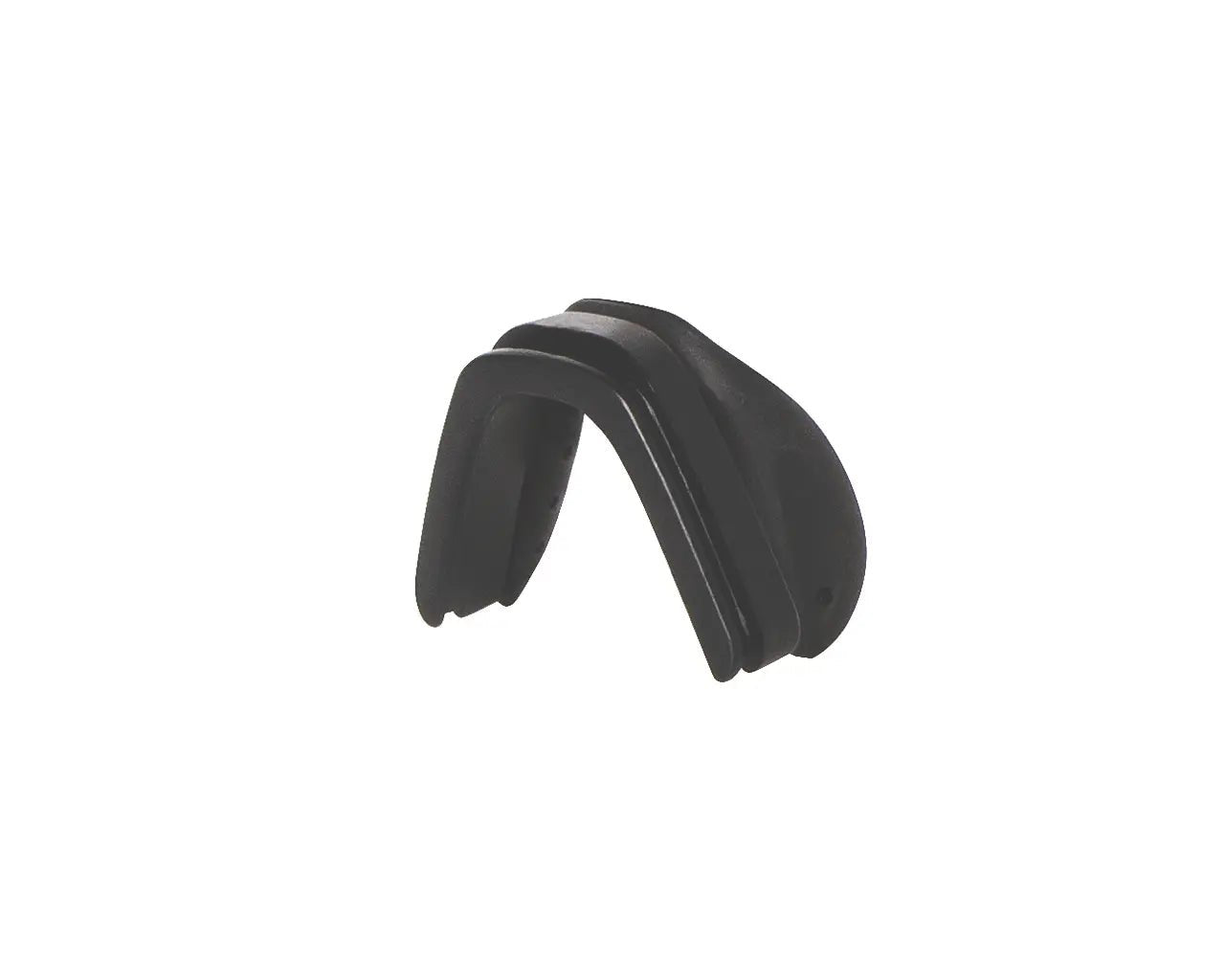
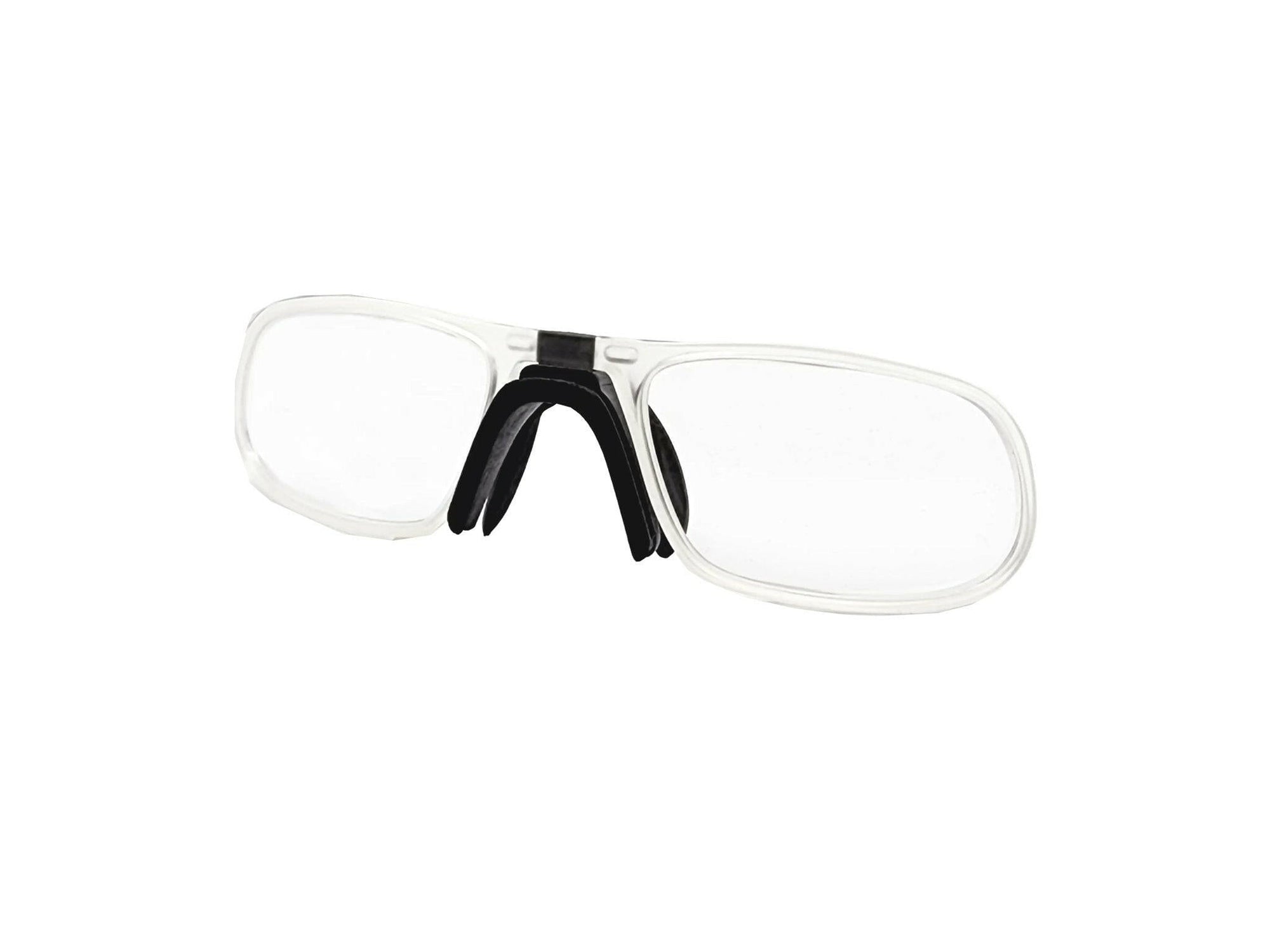
- TriEye Clip-On: Perfect for cyclists who wear prescription glasses
Eyewear protection guidelines recommend evaluating key selection criteria such as:
- Riding Environment: Urban streets, mountain trails, or long-distance routes
- Typical Weather Conditions: Sunny, rainy, or variable light scenarios
- Personal Comfort and Fit
- Specific Safety Requirements
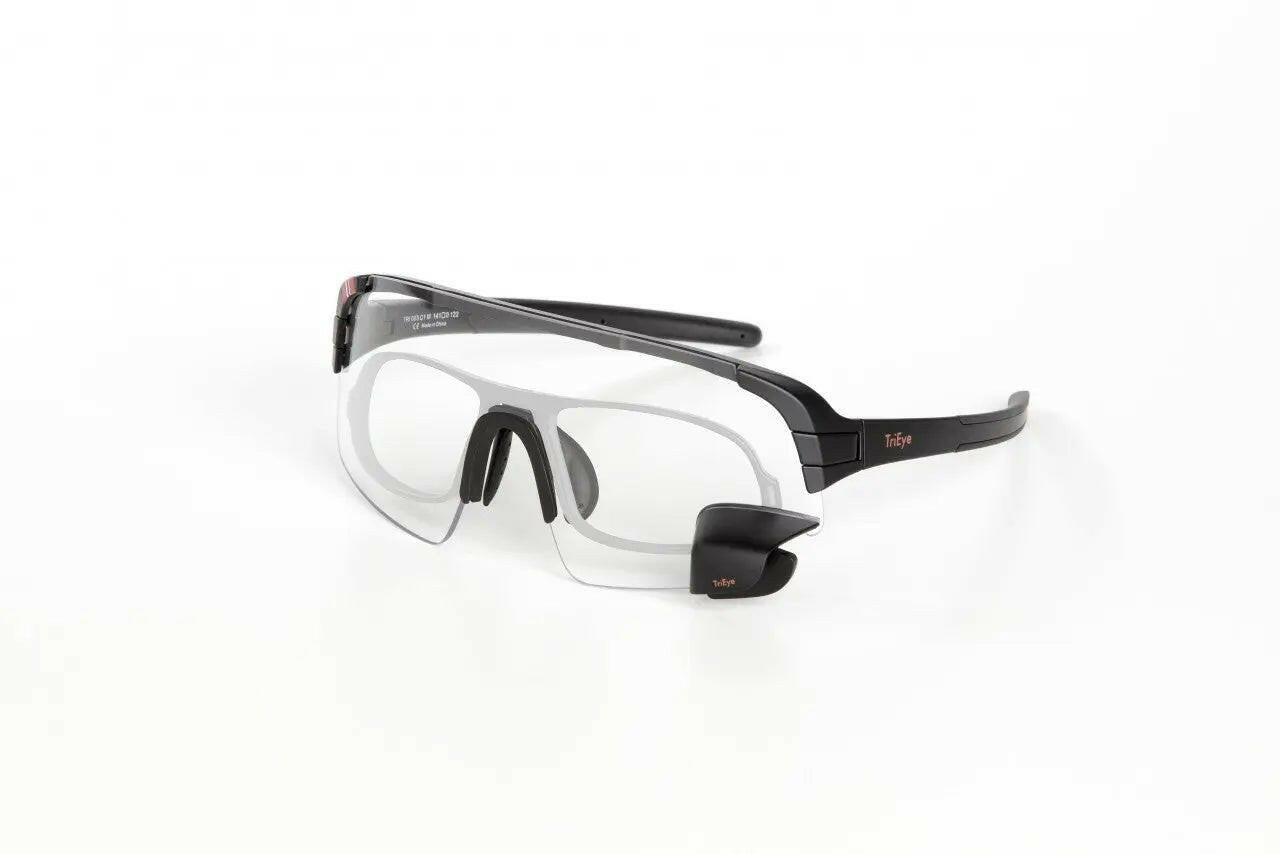
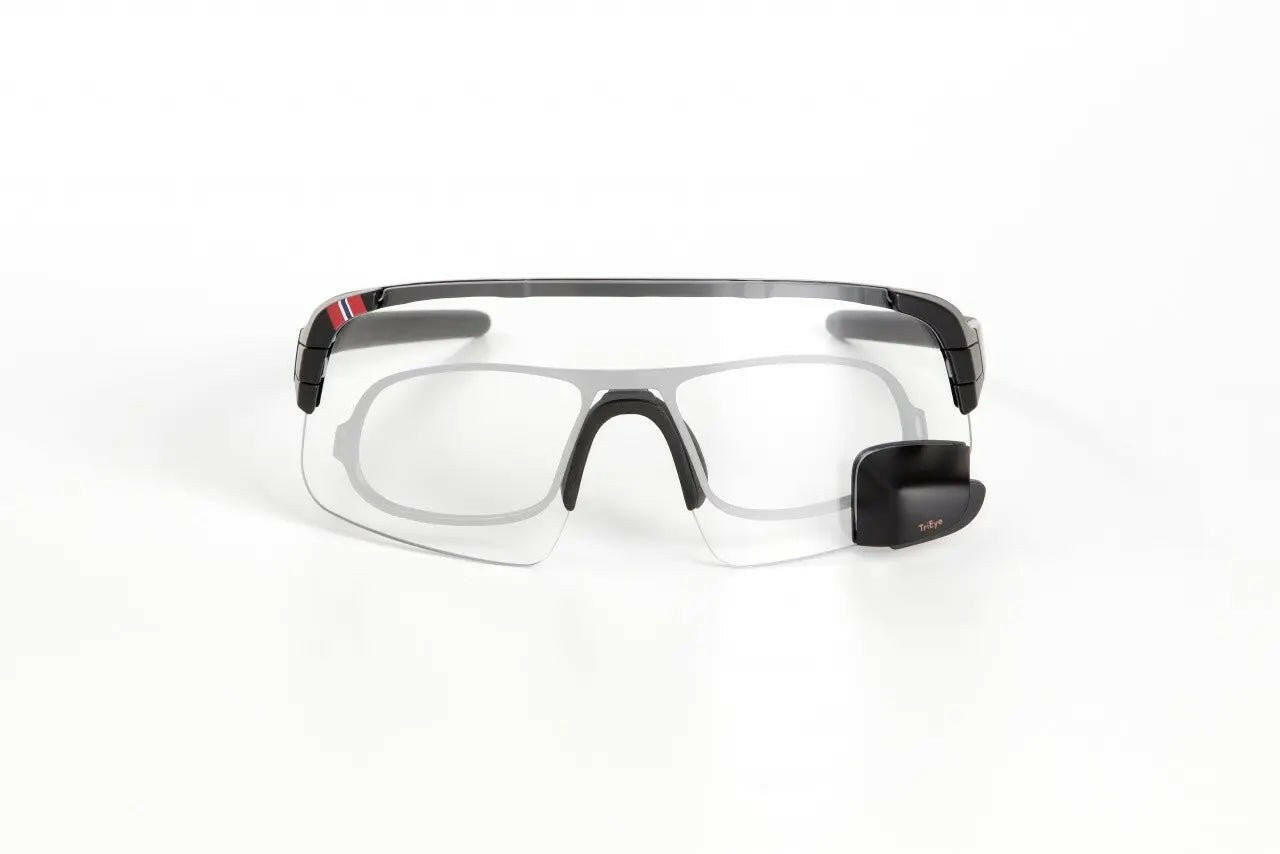
Each TriEye model incorporates the brand’s signature rear-view mirror technology, providing an innovative solution for enhanced situational awareness during cycling.
Here’s a quick reference comparing TriEye models to help guide your selection:
| Model Name | Best For | Key Features | Safety Focus |
|---|---|---|---|
| TriEye View | Performance cyclists, racers | Rear-view mirror, lightweight | High-speed visibility |
| TriEye Classic | Urban commuters, daily rides | Comfort fit, durable design | Everyday situational awareness |
| TriEye Clip-On | Prescription eyewear users | Attach-to-glasses, adjustable | Inclusive rear visibility |
Selecting the right eyewear model is about matching technological features with your unique cycling profile.
Pro tip: Consider trying multiple TriEye models to find the perfect balance between comfort, safety, and visual performance.
Step 4: Fit and Adjust Your Eyewear
Properly fitting cycling eyewear is crucial for ensuring maximum safety and comfort during your rides. Protective eyewear guidelines emphasize the importance of precise adjustments that maintain both stability and visual clarity.
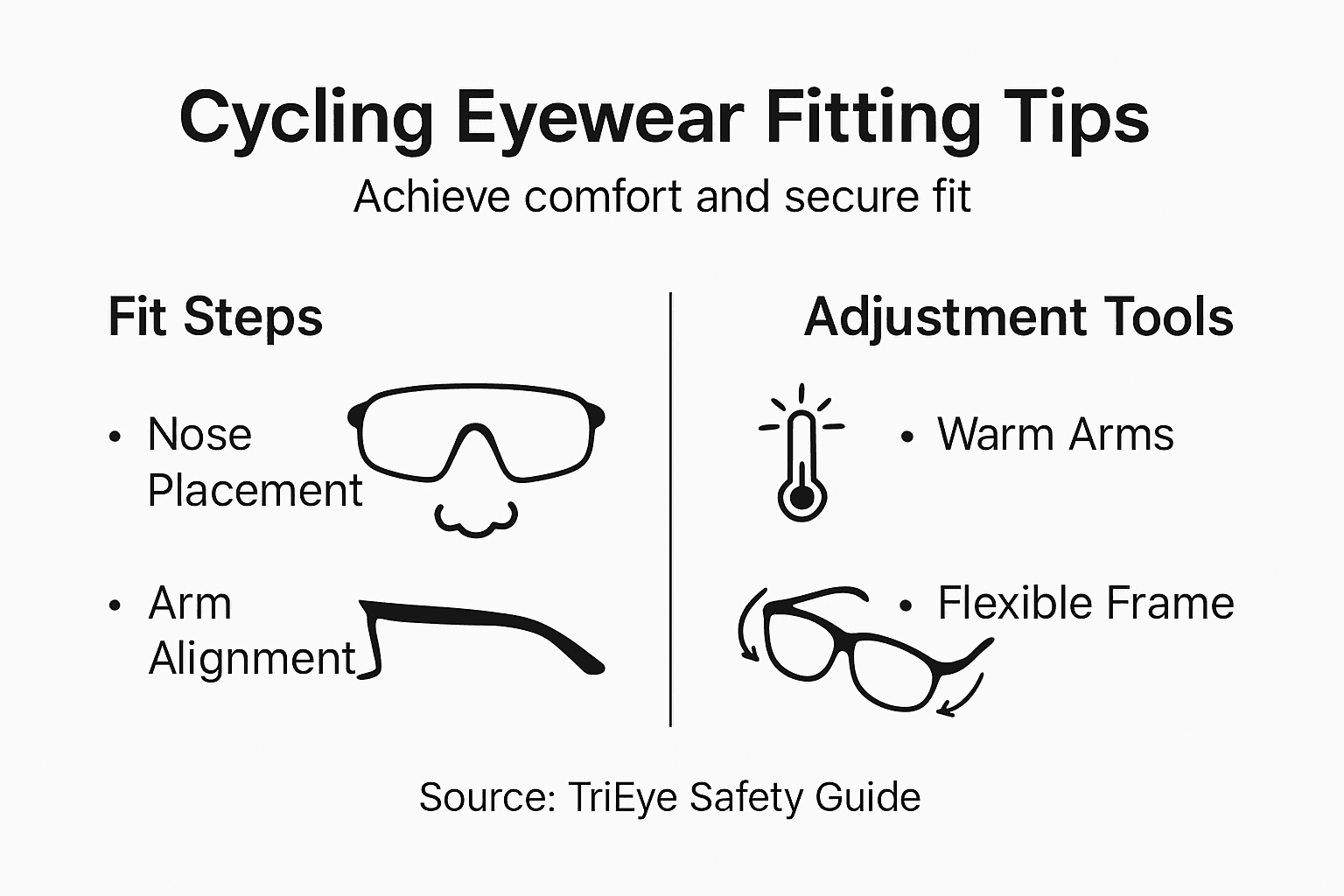
Key fitting considerations for your TriEye glasses include:
- Frame Positioning: Ensure the frames sit comfortably across the bridge of your nose without pinching
- Temple Arm Alignment: Adjust arms to prevent slipping during movement
- Lens Coverage: Verify complete eye protection without peripheral vision obstruction
- Mirror Angle: Fine-tune the integrated rear-view mirror for optimal visibility
Safety fitting techniques recommend performing a series of movement tests to confirm a secure fit:
- Head Shake Test: Rapidly move your head side to side and up and down
- Bend and Lean Test: Check stability during dynamic cycling movements
- Mirror Visibility Check: Ensure rear-view mirror remains clear and functional
A well-fitted pair of cycling glasses should feel like a natural extension of your riding gear, providing seamless protection and situational awareness.
Proper eyewear fit is the foundation of cycling safety, balancing comfort with comprehensive protection.
Pro tip: Warm the temple arms slightly before adjustment to increase flexibility and achieve a more precise custom fit.
Step 5: Verify Rear Visibility Performance
Evaluating the effectiveness of your cycling eyewear’s rear visibility is a critical safety step that goes beyond simple visual inspection. Roadway visibility research highlights the complex factors that determine optimal rear perception during cycling.
To systematically assess your TriEye glasses’ rear visibility performance, implement these comprehensive verification techniques:
- Visual Range Test: Check the mirror’s field of view while stationary and during movement
- Contrast Sensitivity: Assess mirror clarity under different lighting conditions
- Peripheral Interference: Ensure the mirror does not obstruct primary forward vision
- Dynamic Movement Evaluation: Test rear visibility during simulated cycling motions
Optical system performance studies recommend conducting multiple assessment scenarios:
- Indoor Controlled Environment: Test mirror angle and visibility
- Short Practice Ride: Evaluate real-world performance
- Multiple Terrain Verification: Check functionality across different riding conditions
Consistent and reliable rear visibility can significantly enhance your cycling safety by providing continuous awareness of surrounding traffic and potential hazards.
Effective rear visibility is not about perfect vision, but consistent situational awareness.
Pro tip: Conduct your visibility tests in progressively challenging environments to ensure comprehensive performance validation.
Enhance Your Cycling Safety with TriEye Eyewear
The challenge of limited rear visibility during cycling is a critical safety concern highlighted in the guide. You want eyewear that not only protects your eyes but also enhances situational awareness without forcing you to turn your head or lose focus. TriEye solves this by integrating a patented rear-view mirror directly into the lens, allowing you to keep your eyes forward while being fully aware of traffic behind you. Whether you are navigating busy urban streets or training on fast road rides, this innovative design addresses your need for continuous rear visibility and comfort.
Explore our specialized categories like TriEye Clip-On if you wear prescription glasses or enhance your ride with adaptive Extra Lenses (Photochromic) tailored for changing light conditions. TriEye eyewear combines Scandinavian simplicity and durable engineering to give you reliable performance and peace of mind. Now is the time to invest in your safety without compromise.
See the difference that clear rear visibility can make. Visit https://trieye.com to find your perfect cycling eyewear solution today and ride safer with confidence.
Veelgestelde vragen
How do I assess my cycling safety needs before selecting eyewear?
Assess your cycling safety needs by analyzing factors such as traffic density, terrain type, riding frequency, and weather conditions. Consider conducting a personal risk assessment to identify your unique requirements, which can help you choose appropriate eyewear tailored to your riding environment.
What key technologies should I compare when selecting cycling eyewear?
Focus on comparing lens materials, photochromic capabilities, UV protection, polarization, and anti-fog coatings. Evaluate how each technology enhances both safety and comfort to ensure you choose eyewear that meets your specific cycling needs.
How can I choose the right TriEye model for my cycling style?
Select a TriEye model by considering your riding environment, typical weather conditions, and personal comfort. Match the model features—like rear-view mirror technology and design—with your cycling profile to enhance safety and visual performance while riding.
What fitting considerations should I keep in mind for my cycling eyewear?
Ensure the cycling eyewear sits comfortably on your nose, with the temple arms aligned to prevent slipping. Check that the lenses provide complete eye protection without obstructing peripheral vision, and adjust the mirror angle for optimal rear visibility during rides.
How can I verify the rear visibility performance of my cycling eyewear?
Conduct a series of tests, like a visual range test and dynamic movement evaluation, to assess rear visibility. Aim to perform these tests in different lighting conditions and practical riding scenarios to ensure consistent and reliable awareness of your surroundings.